
With fluctuating gas prices and rising fuel costs, more Ottawa drivers are switching to electric vehicles to save money. But is driving electric really cheaper than owning a traditional gas powered car?
For many homeowners, the answer is yes. Electric cars are often significantly cheaper to operate, especially when you can charge your vehicle at home instead of relying on public charging stations.
In this guide, we’ll compare EV charging costs with gasoline prices, explain what affects your potential savings, and explore why installing a home EV charger can be a smart investment.
EV Charging vs. Gas: Comparing Fuel Costs in Ottawa
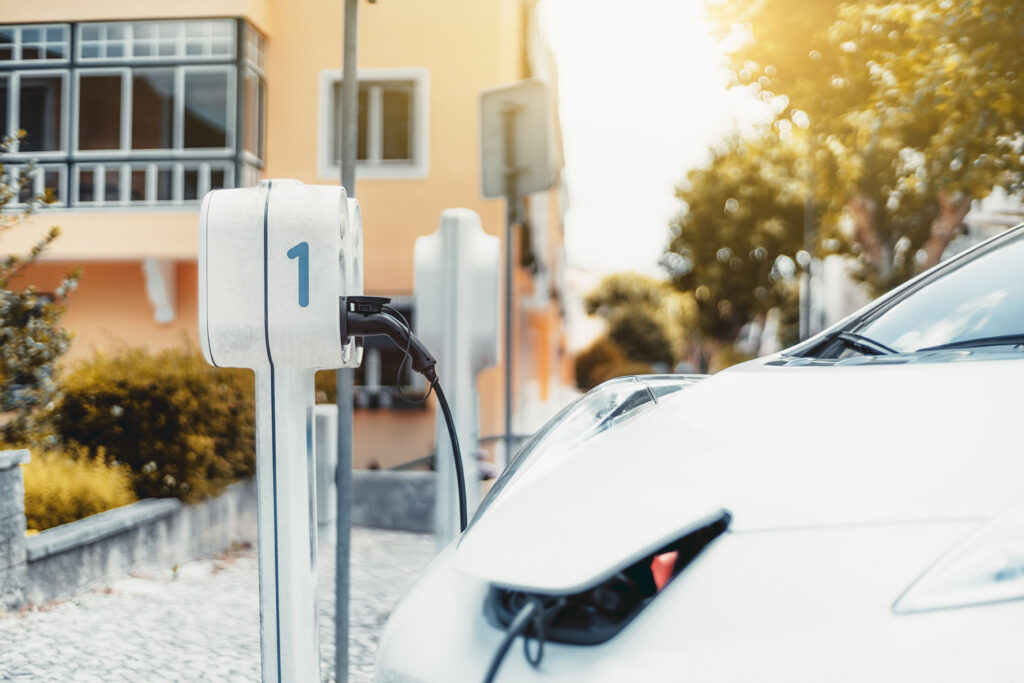
The biggest difference between electric vehicles and gasoline-powered cars is how they use energy.
A traditional gas car relies on a gasoline engine that burns fuel, while an EV uses electricity stored in a battery to power an electric motor. Because electric motors have greater energy efficiency, EVs tend to cost less to operate.
Here’s a simplified Ottawa-style example that compared the costs for an average driver travelling 20,000 km per year.
| Cost Comparison | Gas Car | Electric Vehicle |
|---|---|---|
| Energy consumption | 7.5 L/100 km | 10 kWh/100 km |
| Estimated energy price | $1.80/L | $0.18/kWh |
| Cost per 100 km | $13.50 | $1.80 |
| Cost per 1,000 km | $135.00 | $18.00 |
| Annual cost (20,000 km) | $4,604 | $750 |
Based on this example, an average EV driver can save around $1,400 to $1,900 per year by switching from a gas vehicle.
These are illustrative prices rather than current Ottawa retail prices. Actual costs depend on several factors, including fuel prices, electricity costs, your driving style, vehicle efficiency, and charging losses.
Why Is EV Charging Cheaper Than Gasoline?
Gasoline prices are influenced by several factors, including crude oil prices, transportation expenses, taxes, and the retail price at the pump, while EV drivers charging at home avoid having to buy gas for a conventional vehicle. This means drivers can pay different amounts each week when they fill their vehicles.
Electricity prices also vary, but home charging offers EV owners more control over when they charge and how much they pay per kWh. In many cases, home charging can be about seven times cheaper than gas refueling, though actual costs still vary by rate plan and vehicle efficiency.
For example, Ontario offers Time-of-Use and Ultra-Low Overnight electricity plans. Starting November 1, 2026, the announced Ultra-Low Overnight energy rate is 3.7 cents per kilowatt hour between 11 p.m. and 7 a.m.
This is only the electricity commodity rate, not the complete cost of delivered electricity. Other electricity charges and taxes still apply, and the Ultra-Low Overnight plan has substantially higher weekday peak rates.
For an EV driver who regularly charges overnight, choosing the right electricity plan can help reduce running costs.
Home Charging vs. Public Charging Stations
Where you charge your EV plays an important role in determining your total EV costs.
Home EV Charging
Home charging is often the most cost effective option for electric vehicle owners. Instead of driving to charging stations around the city, you can plug your car in when you arrive home.
A dedicated Level 2 EV charger provides faster charging than a standard household outlet and makes it easier to charge cars overnight.
Homeowners with compatible solar panels may also be able to use electricity generated on their property, depending on their system.
Public Charging Stations
Public charging is convenient for longer trips or drivers without access to home charging. Ottawa and other Canadian cities continue to add more charging stations as electric vehicle adoption grows.
However, public charging stations can have different pricing structures. Some charge per kWh, while others charge based on charging time, session fees, or other conditions. In Ottawa, Level 2 charging at city sites can cost $2.00 per hour, while DC Fast Chargers can cost 28 cents per minute. These price differences often depend on the location and the charge point operator, since some stations are municipal, some private, and some are free.
You may also find free charging stations at certain businesses, shopping centres, or workplaces. While free charging can help save money, availability is not guaranteed.
For EV owners who drive every day, having their own charger at home reduces the need to depend on public stations.
How Long Does It Take to Charge an Electric Vehicle at Home?
Charging time depends on the type of charger, battery capacity, and vehicle.
There are two common options for residential EV charging:
Level 1 Charging: Uses a standard 120-volt household outlet. It typically adds approximately 3–8 km of range per hour, making it suitable for some drivers with shorter daily commutes.
Level 2 Charging: Uses a 208/240-volt electrical connection and can add approximately 16–50 km of range per hour, depending on the vehicle and equipment.
A typical EV may take approximately 4–10 hours to charge using a Level 2 charger, depending on battery size and starting charge level. Many drivers only need to replace the energy used during the day rather than reach a full charge every night.
Whether you drive a Tesla Model 3, Nissan Leaf, or another electric car, a professionally installed Level 2 charger can make everyday charging more convenient.
Actual charging speeds, battery range, and average range gained per hour depend on your vehicle, charger capacity, temperature, and other conditions.
Is Installing a Home EV Charger Worth It?

If you already own an electric vehicle or plan to purchase one, installing a home EV charger offers several benefits.
- Convenience: Charge your EV at home instead of travelling to public charging stations.
- Potential Savings: Use off-peak electricity rates to reduce the cost of charging.
- Faster Charging: Add useful driving range in a few hours rather than relying solely on a standard outlet.
- Flexible Scheduling: Set your vehicle to charge overnight when lower electricity rates may apply.
- Everyday Reliability: Have a dedicated charging setup available whenever you need it.
Although installing a home charger involves an upfront cost, the convenience and potential savings can make it a worthwhile investment.
Keep in mind that EV ownership expenses extend beyond fuel costs, and in Ontario the total cost comparison can shift quickly because EV operating and maintenance costs are often lower. Purchase price, insurance, maintenance, battery performance, and available tax credits or vehicle incentives can all affect the overall financial comparison. Electric vehicle owners often save on routine maintenance because there are fewer moving parts and no oil changes, and those costs are typically about 30% to 50% lower than for gas-powered vehicles. Eligible new battery-electric vehicles can qualify for up to $5,000 through the federal EVAP / iZEV program, with iZEV support applied as a point-of-sale incentive. Quebec and british columbia also offer trade-in incentives for used EVs, and used EV rebates can reduce costs by $4,000 or more. Federal and provincial government incentives can also change, so it’s important to take the latest rebate rules into account rather than assume a rebate is available.
Professional EV Charger Installation in Ottawa With VB Electric
At VB Electric, we help Ottawa homeowners prepare for the future of electric driving with reliable EV charger installation services.
Our experienced electricians provide personalized consultations, cost-efficient solutions, and quality workmanship for residential electrical projects.
When installing a home EV charger, our team can assess your existing electrical panel, review your charging requirements, and recommend a suitable installation solution.
We prioritize using high-quality materials and professional installation practices to help ensure your charging system meets applicable electrical requirements.
Whether you’re switching from a gas powered car or already enjoying the benefits of electric driving, VB Electric is here to help.
Ready to make EV charging easier? Contact VB Electric today to discuss home EV charger installation in Ottawa and request a consultation.
Frequently Asked Questions
Is an electric vehicle cheaper to drive than a gas car in Ottawa?
Generally, yes. Electric vehicles often have lower energy costs per kilometre than gasoline cars. The amount you save depends on gas prices, electricity rates, vehicle efficiency, and how often you use public charging stations.
How much does it cost to fully charge an electric vehicle?
The cost of a full charge depends on battery capacity and electricity pricing. For example, adding 60 kWh at an illustrative rate of $0.18 per kWh would cost $10.80 before charging losses. Actual electricity bills may include additional charges.
Do electric vehicles save money over time?
EVs can save money through lower fuel costs and potentially reduced maintenance expenses. However, total savings depend on the vehicle purchase price, insurance, charging equipment, and how much you drive each year.
Is it better to charge an EV at home or at public charging stations?
Home charging is usually more convenient and can be cheaper, particularly when using lower overnight electricity rates. Public charging stations remain useful for longer journeys and situations where home charging is unavailable.
Do I need an electrical panel upgrade for a home EV charger?
Not necessarily. Some homes already have sufficient electrical capacity to support an EV charger, while others may require upgrades or alternative charging solutions. VB Electric can assess your home’s electrical system and recommend an appropriate approach.
How much range can a Level 2 charger add in one hour?
A Level 2 charger can typically add approximately 16–50 km of driving range per hour, depending on the charging equipment and vehicle. This makes overnight charging practical for many Ottawa drivers.